

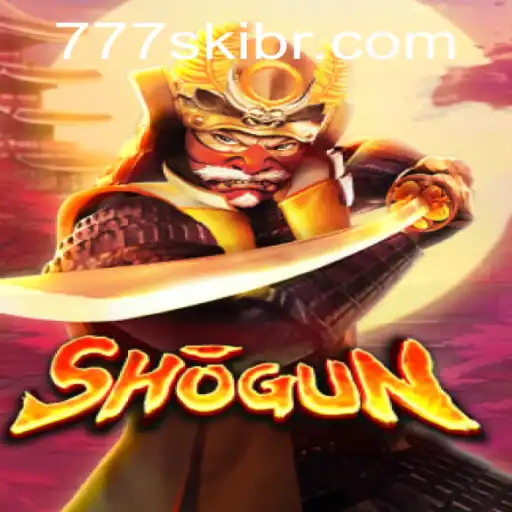
Introduction to Shogun
Set against the backdrop of feudal Japan, Shogun immerses players into the world of samurai and strategic conquest. This board game, beloved by strategy enthusiasts, revolves around players assuming the roles of powerful daimyo (warlords) seeking to unify Japan under their control. With a mix of resource management, tactical warfare, and diplomatic intrigue, Shogun has garnered a dedicated fanbase. Its unique mechanics and deep strategic elements make it a staple in board gaming.
The Allure of Shogun
What sets Shogun apart is its intricate blend of historical context and engaging gameplay. Players are drawn into an era where alliances can turn tides, and strategic planning is essential for victory. Each decision influences the balance of power, requiring players to carefully consider their moves. The game's artwork and components transport players to the era of the samurai, enhancing the immersive experience.kktt
The Emergence of the 777ski Addition
In a quest to keep Shogun fresh and exciting, a new expansion named 777ski has been introduced. This expansion adds new dimensions to the original gameplay by integrating unpredictable elements that mirror the volatility of Japanese weather patterns. The 777ski expansion captures the imagination of players by incorporating random events that test their adaptability and strategic foresight.777AA
How to Play Shogun
As players dive into Shogun, understanding the core rules is crucial for mastering the game. Here's an overview of how the game unfolds:
Setup
The game board represents a map of Japan divided into several provinces, each with its distinct advantages. Players choose a daimyō and receive corresponding troops, province cards, and resources. The goal is to gain control over as many provinces as possible by the end of the game.
Game Rounds
The game is played in rounds, and each round consists of several phases:
Planning Phase
In this phase, players secretly choose their actions for the round. These actions include deploying troops, building fortifications, collecting resources, and launching attacks. The clandestine nature of planning introduces an element of suspense as players try to anticipate their opponents' moves.777para.com
Action Phase
Actions are revealed and resolved during this phase. Players execute their strategies to expand territory, gather resources, or clash with adversaries. Combat outcomes are influenced by troop strength, strategic positioning, and tactical decisions.5V555.COM
Event Phase
Incorporating the 777ski expansion, this phase introduces random events that can alter the game's dynamics. These events can range from natural disasters to surprise reinforcements, requiring players to adapt their strategies on the fly.
Combat Mechanics
Engaging in battle is a significant aspect of Shogun. Combat is determined through a mix of troop strength and dice rolls, simulating the uncertainty of warfare. Players maneuver their forces across the map, seizing control of key provinces and fortifying their positions.81GG.COM
Endgame and Victory Conditions
The game concludes after a set number of rounds. Victory points are tallied based on controlled provinces, resources, and achievements. The player with the highest point total emerges as the Shogun, securing their dominance over Japan.
Shogun and Modern Gaming Trends
In an era where digital gaming dominates, Shogun stands as a testament to the enduring appeal of board games. It offers face-to-face interaction, strategic depth, and the tactile joy of moving physical pieces across a board. The game's complexity and historical flair resonate with modern players seeking immersive experiences that digital games sometimes lack.
Furthermore, Shogun's evolving landscape, highlighted by expansions like 777ski, ensures that it remains relevant in today's dynamic gaming industry. Players continue to flock to this game for its rich narrative and the thrill of commanding samurai armies in a quest for supremacy.